Published
Jan 6, 2026
Author
Christian Søgaard
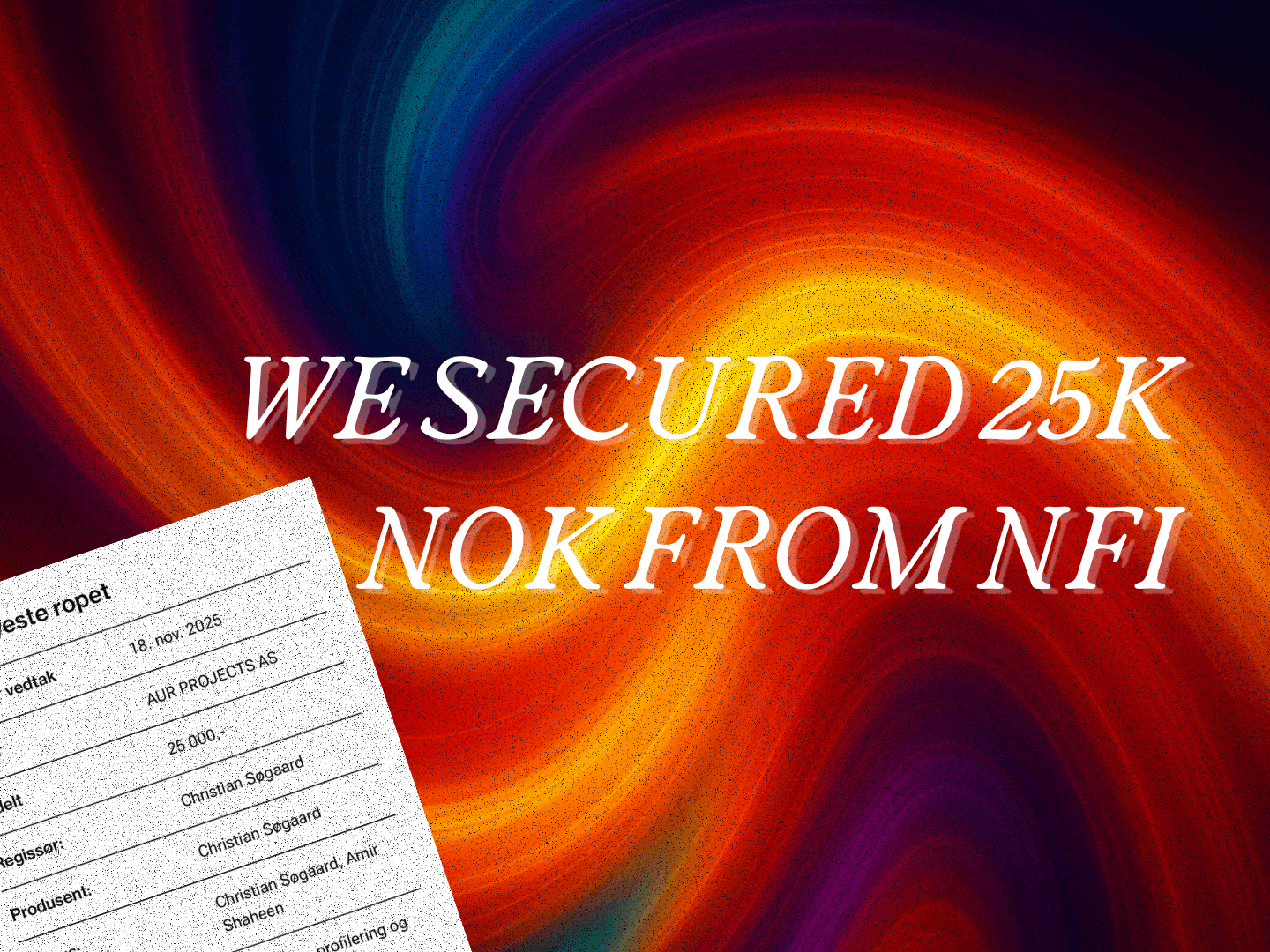
We got 25k in festivals distribution
While 25k might not seem like much, let's remember we're still new—”the underdogs with plenty of rejections behind us”. We're proud of what we've achieved so far and excited to share our journey with you! No gatekeeping here! 🙌🏻
This is the strategy we used →
STEP 1: WE ADMITTED OUR FILM IS NICHE
One of the first lines in our application:
"This is a poetic, slow-cinema piece with a one-take/one-frame format that demands patience from viewers. It lives in a niche segment."
We didn't pretend. We owned it. NFI/Funders respect self-awareness.
STEP 2: We talked global relevance
Our film explores male mental health.
We talked about how loneliness, masculinity, and silence culture can resonate across different cultures in the UK, USA, Japan, and Scandinavia.
A niche film can still hit a nerve globally.
STEP 3: We matched form to festival DNA
We didn't spray and pray.
We researched festivals that celebrate:
Slow cinema
Poetic storytelling
Experimental formats
Clermont-Ferrand, Tampere, Encounters—these festivals have audiences who seek contemplative films with something to say.
STEP 4: We defined 3 audience layers
Primary: Men 20-35 struggling with unspoken words and fear of being a burden.
Secondary: Art film lovers who seek poetic, meditative cinema.
Tertiary: Educational institutions and mental health organizations.
The film speaks to those who need to say something AND those who need to listen.
STEP 5: We mapped a potential ecosystem
Festivals are the start, not the finish.
So we mapped out potential distribution targets and partnerships like:
Mental health organizations
Schools & universities
Youth organizations
STEP 6: We broke down every "krone"
The budget showed:
Festival submission fees
Administration costs
We detailed:
Which festivals require world premieres
Which accept films already screened
Submission deadlines
Fee structures
Specificity builds trust.
So... 6 things that made the difference:
Be honest about your film's market position
Prove relevance
Research festivals
Define multiple audience layers
Show life beyond festivals
Budget with specificity
This film explores the weight of unspoken words—what it costs when we don't listen to each other clearly enough.
While 25k might not seem like much, let's remember we're still new—”the underdogs with plenty of rejections behind us”. We're proud of what we've achieved so far and excited to share our journey with you! No gatekeeping here! 🙌🏻
This is the strategy we used →
STEP 1: WE ADMITTED OUR FILM IS NICHE
One of the first lines in our application:
"This is a poetic, slow-cinema piece with a one-take/one-frame format that demands patience from viewers. It lives in a niche segment."
We didn't pretend. We owned it. NFI/Funders respect self-awareness.
STEP 2: We talked global relevance
Our film explores male mental health.
We talked about how loneliness, masculinity, and silence culture can resonate across different cultures in the UK, USA, Japan, and Scandinavia.
A niche film can still hit a nerve globally.
STEP 3: We matched form to festival DNA
We didn't spray and pray.
We researched festivals that celebrate:
Slow cinema
Poetic storytelling
Experimental formats
Clermont-Ferrand, Tampere, Encounters—these festivals have audiences who seek contemplative films with something to say.
STEP 4: We defined 3 audience layers
Primary: Men 20-35 struggling with unspoken words and fear of being a burden.
Secondary: Art film lovers who seek poetic, meditative cinema.
Tertiary: Educational institutions and mental health organizations.
The film speaks to those who need to say something AND those who need to listen.
STEP 5: We mapped a potential ecosystem
Festivals are the start, not the finish.
So we mapped out potential distribution targets and partnerships like:
Mental health organizations
Schools & universities
Youth organizations
STEP 6: We broke down every "krone"
The budget showed:
Festival submission fees
Administration costs
We detailed:
Which festivals require world premieres
Which accept films already screened
Submission deadlines
Fee structures
Specificity builds trust.
So... 6 things that made the difference:
Be honest about your film's market position
Prove relevance
Research festivals
Define multiple audience layers
Show life beyond festivals
Budget with specificity
This film explores the weight of unspoken words—what it costs when we don't listen to each other clearly enough.