Published
Author
aur
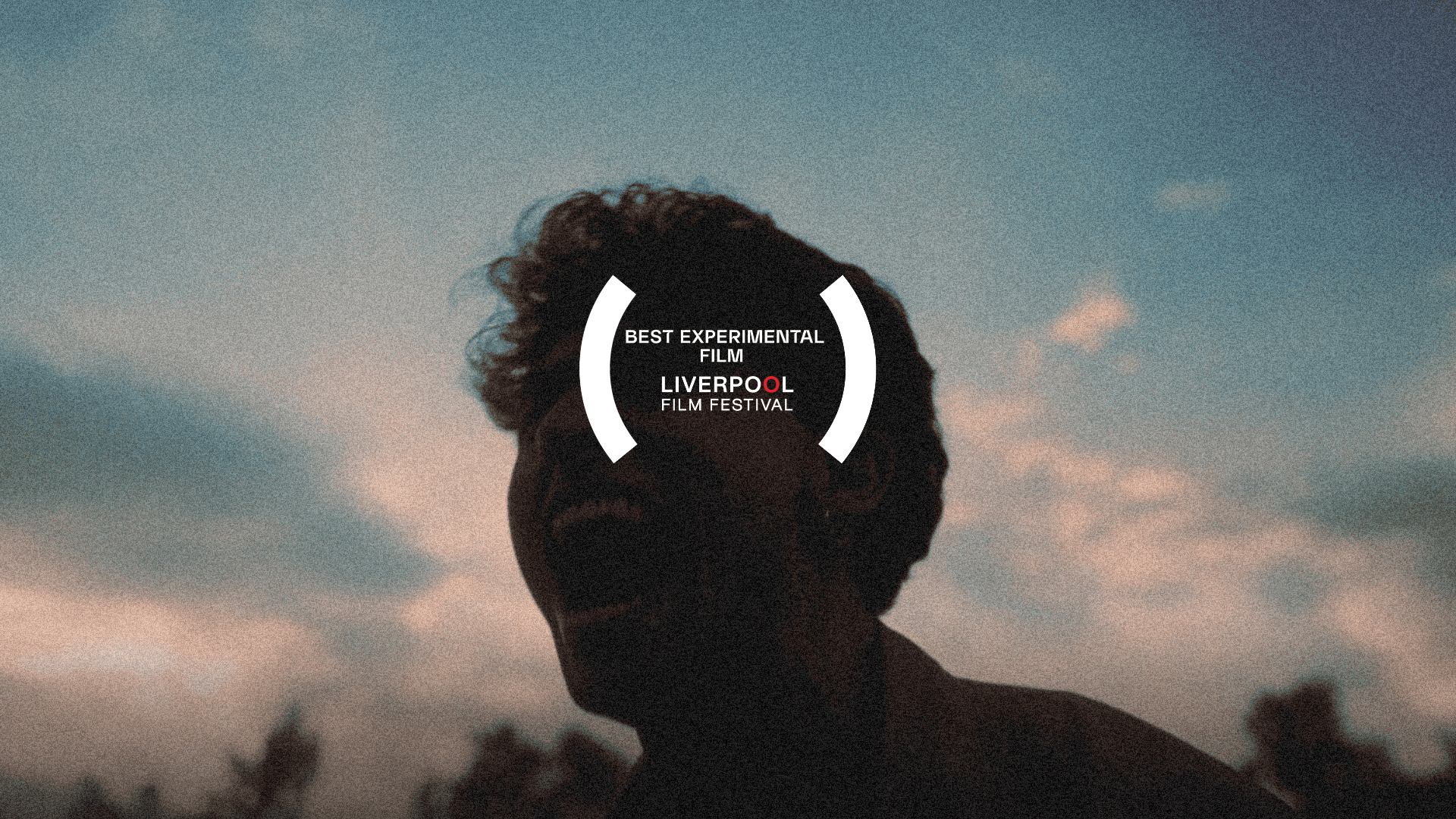
Best Experimental Film in Liverpool Film Festival
Last Saturday, ARE YOU WITH ME?, won Best Experimental Film in Liverpool Film Festival. Wohoo!
Christian Søgaard, the director of the film got inteviewed by the festival before the winner was announced where he talked about the film, everything from the casting process to the core of the film.
watch the full interview here:
or read the transcript from it here:
Interview: Christian Søgaard on Are You With Me?
On the genesis of the project:
The project started as a poem. My writing partner and I like to be poetic, so it began as this more poetic thing, and then it developed into me just wanting to make something. I started finding actors I know and tried to figure out the story as we went. So it basically started as a poem and turned into a story based on the actors and the situation we found ourselves in.
On the challenges of independent filmmaking:
We were a small team. The whole production was me as the producer, director, coordinator, everything. I had my DP with me, and some small crew joining each day. We shot it over three months, six days, spread out between weeks. Since I had seven actors in the film, that was the biggest production challenge. Getting everyone together, finding each day, figuring out where to shoot. We had locations we needed permits for, and I had to figure out how to shoot them without paying anyone money because we didn't have the budget. I basically turned into a producer-fixer on the go. And when we hit rec, I just became the director.
On working with actors:
My background is in commercial directing, and in that world I didn't have much experience working with actors. So one of my goals with this film was to build that space and figure out my directing style with actors. The script itself is about three pages long for a six-minute film. The actors read the scenes, but they were quite small, and we improvised blocking and everything. Most scenes were improvised, giving the actors the freedom to build their own take on it. I was figuring out as we went where to find the different moments, tapping into them and giving the actors more intuition or intention. The most important thing I learned from this project is that feeling of working with actors and building that trust.
On casting:
The casting process was me posting on Instagram: "Hey, I have a film. Who's interested?" Because I'd built a visual style through commercials, people got interested. I have this moody, dark style to things, and I also had the same DP I've worked with on many of my films. I got many applications and tried to figure out who to pair up and who could build each scene.
Two of the characters in the film, the two people by the car getting into a fight, they're actually brothers in real life. They sent in self-tapes separately, but of course they had talked to each other about the film. When I got them as a pair, I saw this dynamic that I didn't need to build, because they could tap into something I don't need to actually know. I could give them intention and clues about their relationship in the film, and they could use their own brotherhood to build that out.
On what the audience should take away:
I like ambiguity. I don't want to tell everyone what to think. I want people to reflect. Different aspects and perspectives can show up in each person. The feedback I've gotten is that the film has feelings in it. It's based on big emotions. The voiceover takes people through it, but the whole idea is that the film asks the question: are you getting that feeling? You don't need to have all the answers. You can figure it out as you go. The process of the film is also the film's message, in some sense.
I like when one person gets one feeling out of it and another gets something completely different. But the film itself is about tapping into your feelings and letting them go.
On what's next:
My films have been more poetic and experimental. Now I'm leaning towards the same style, but working more with fiction and more classic storytelling. We have some projects we're pitching for funding. I have more short films, and of course the feature film we're always working on. "The big one".
Last Saturday, ARE YOU WITH ME?, won Best Experimental Film in Liverpool Film Festival. Wohoo!
Christian Søgaard, the director of the film got inteviewed by the festival before the winner was announced where he talked about the film, everything from the casting process to the core of the film.
watch the full interview here:
or read the transcript from it here:
Interview: Christian Søgaard on Are You With Me?
On the genesis of the project:
The project started as a poem. My writing partner and I like to be poetic, so it began as this more poetic thing, and then it developed into me just wanting to make something. I started finding actors I know and tried to figure out the story as we went. So it basically started as a poem and turned into a story based on the actors and the situation we found ourselves in.
On the challenges of independent filmmaking:
We were a small team. The whole production was me as the producer, director, coordinator, everything. I had my DP with me, and some small crew joining each day. We shot it over three months, six days, spread out between weeks. Since I had seven actors in the film, that was the biggest production challenge. Getting everyone together, finding each day, figuring out where to shoot. We had locations we needed permits for, and I had to figure out how to shoot them without paying anyone money because we didn't have the budget. I basically turned into a producer-fixer on the go. And when we hit rec, I just became the director.
On working with actors:
My background is in commercial directing, and in that world I didn't have much experience working with actors. So one of my goals with this film was to build that space and figure out my directing style with actors. The script itself is about three pages long for a six-minute film. The actors read the scenes, but they were quite small, and we improvised blocking and everything. Most scenes were improvised, giving the actors the freedom to build their own take on it. I was figuring out as we went where to find the different moments, tapping into them and giving the actors more intuition or intention. The most important thing I learned from this project is that feeling of working with actors and building that trust.
On casting:
The casting process was me posting on Instagram: "Hey, I have a film. Who's interested?" Because I'd built a visual style through commercials, people got interested. I have this moody, dark style to things, and I also had the same DP I've worked with on many of my films. I got many applications and tried to figure out who to pair up and who could build each scene.
Two of the characters in the film, the two people by the car getting into a fight, they're actually brothers in real life. They sent in self-tapes separately, but of course they had talked to each other about the film. When I got them as a pair, I saw this dynamic that I didn't need to build, because they could tap into something I don't need to actually know. I could give them intention and clues about their relationship in the film, and they could use their own brotherhood to build that out.
On what the audience should take away:
I like ambiguity. I don't want to tell everyone what to think. I want people to reflect. Different aspects and perspectives can show up in each person. The feedback I've gotten is that the film has feelings in it. It's based on big emotions. The voiceover takes people through it, but the whole idea is that the film asks the question: are you getting that feeling? You don't need to have all the answers. You can figure it out as you go. The process of the film is also the film's message, in some sense.
I like when one person gets one feeling out of it and another gets something completely different. But the film itself is about tapping into your feelings and letting them go.
On what's next:
My films have been more poetic and experimental. Now I'm leaning towards the same style, but working more with fiction and more classic storytelling. We have some projects we're pitching for funding. I have more short films, and of course the feature film we're always working on. "The big one".